





Enter your VAT number here and click Verify:
Your details have been verified. VAT number registered to:
,
.
Your order will now be zero rated for VAT purposes. We reserve the right to verify these details after your order request has been made and reinstate VAT if required.
Your VAT details were not recognised or were invalid. Your VAT number must be matched to your Billing Country as specified above. This is currently specified as . You do not need to enter the country code part of your VAT number as this has already been selected in your billing address details above.
The VAT number checking service is currently offline. Please supply your VAT details within the comments or special instructions field below and we will apply a VAT discount after placing your order request.
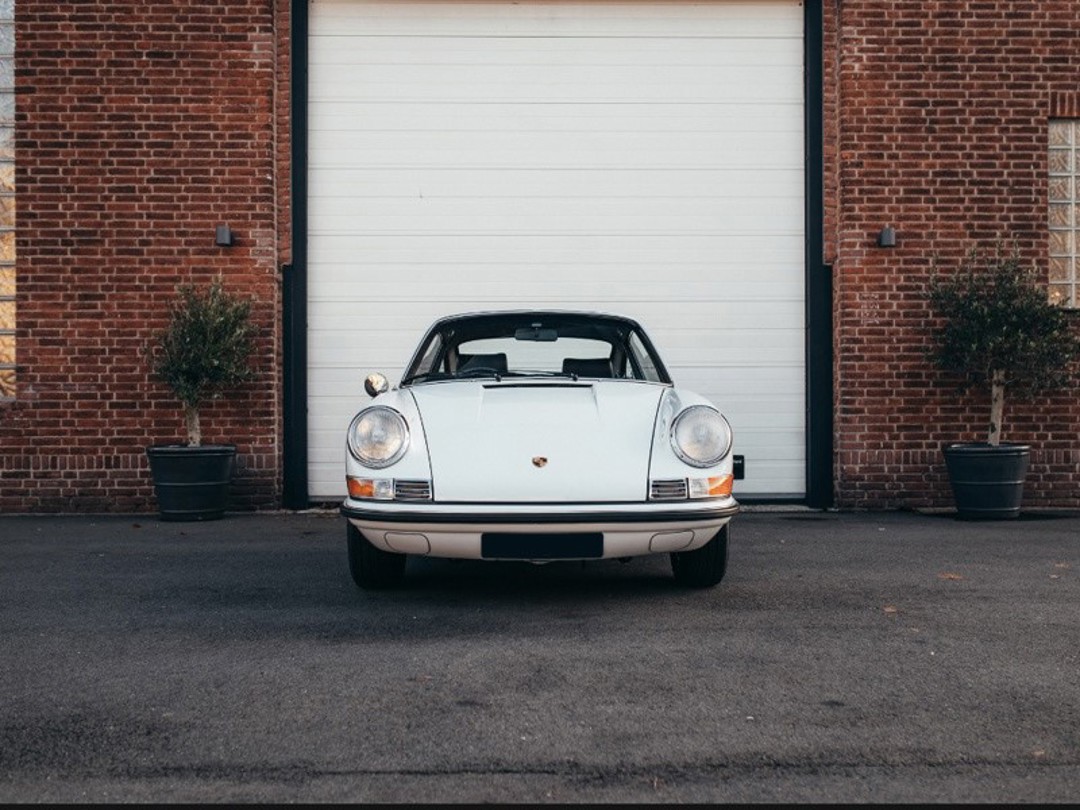
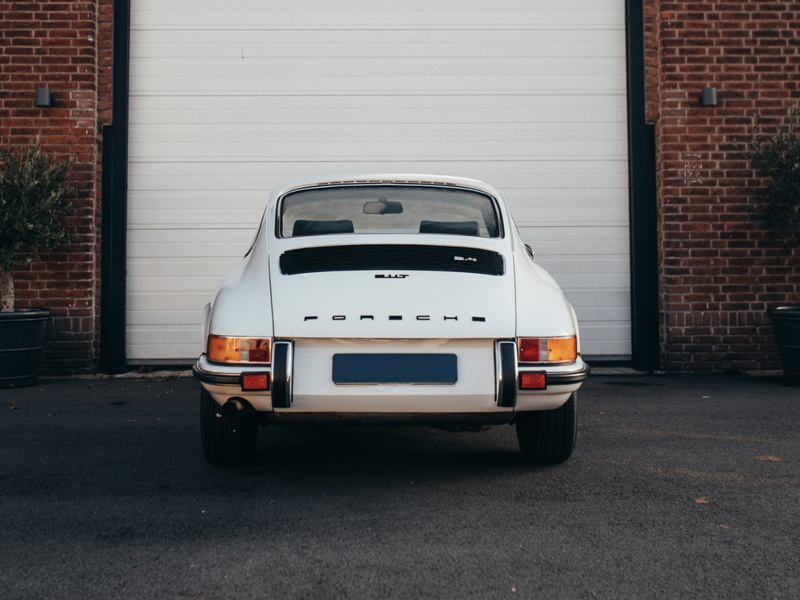
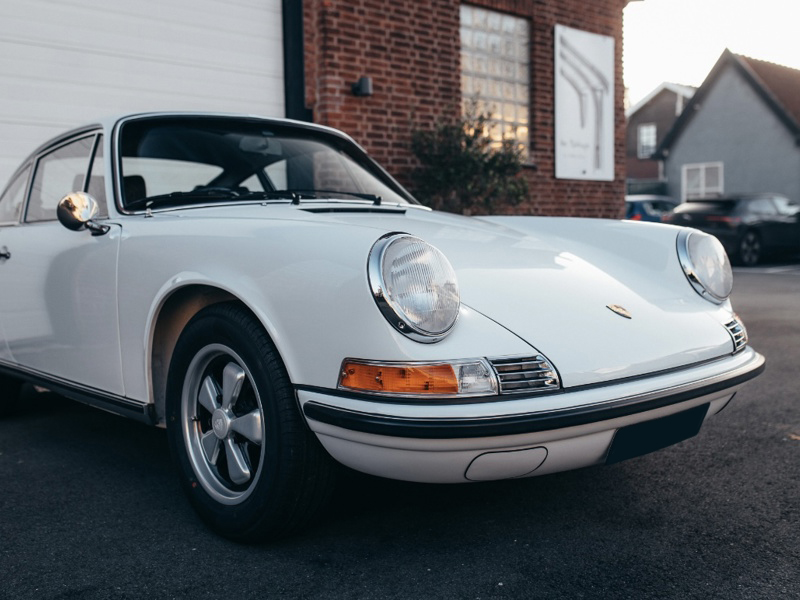
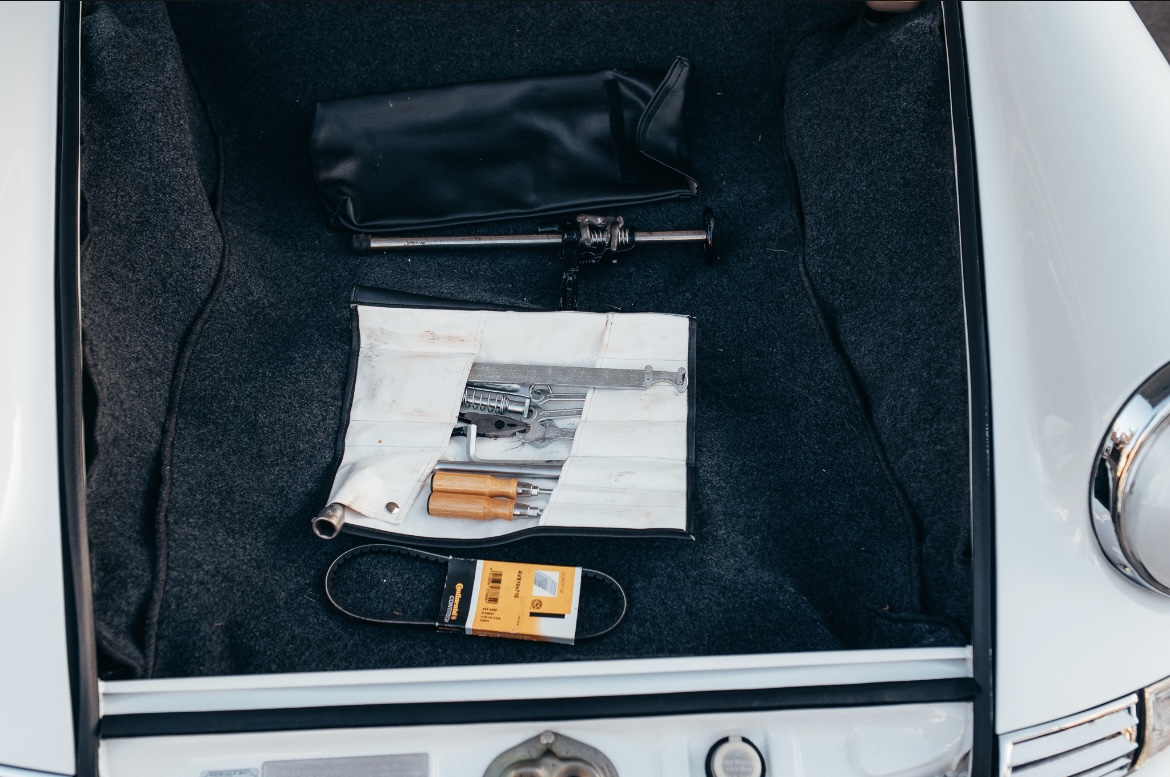
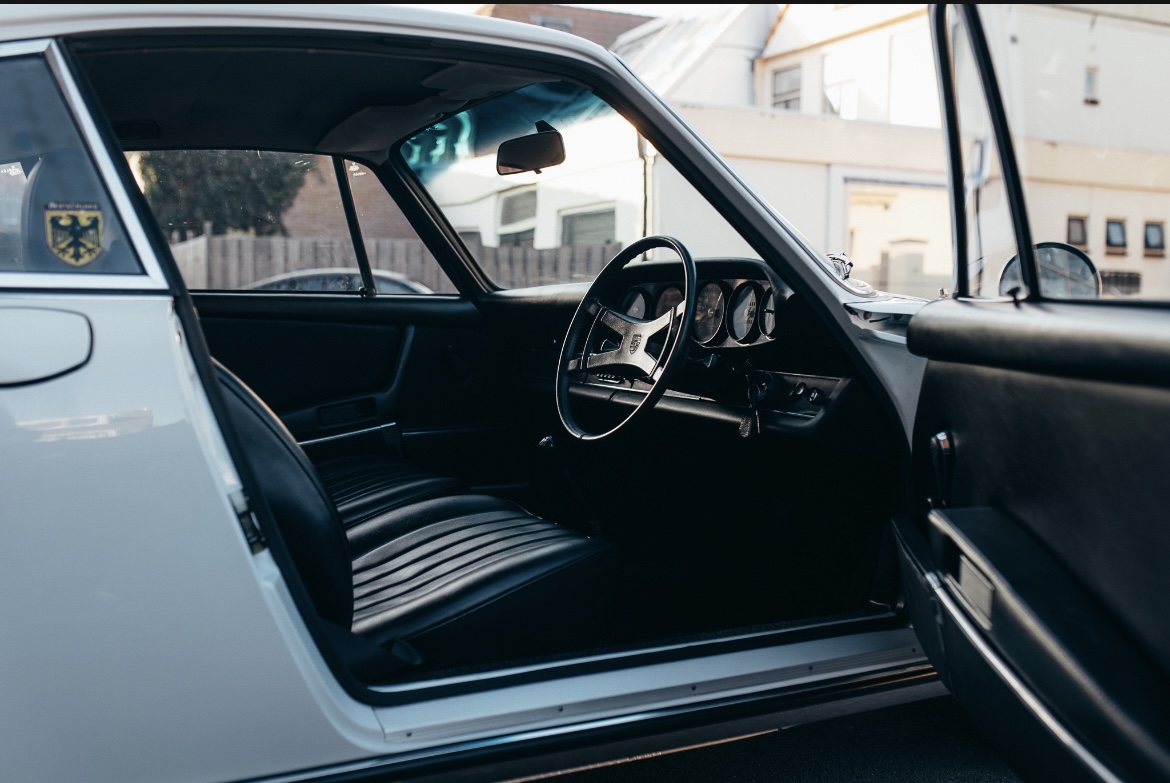
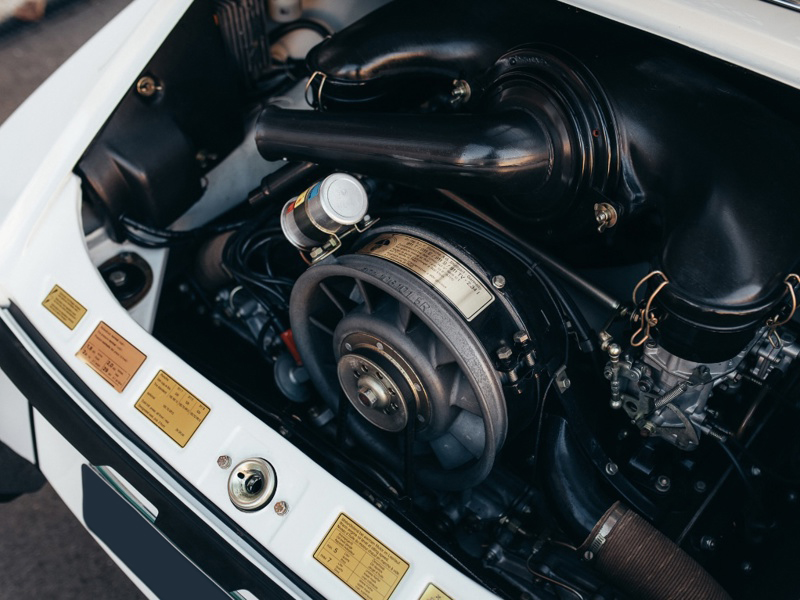
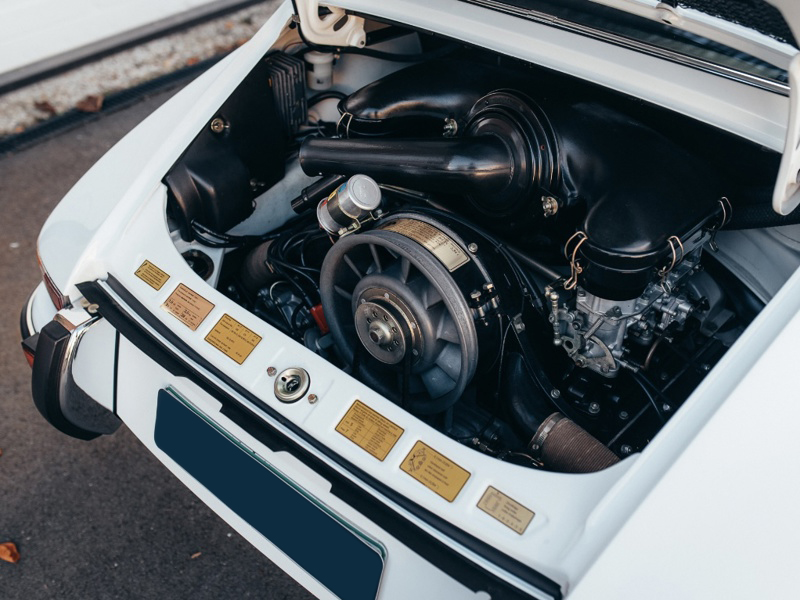
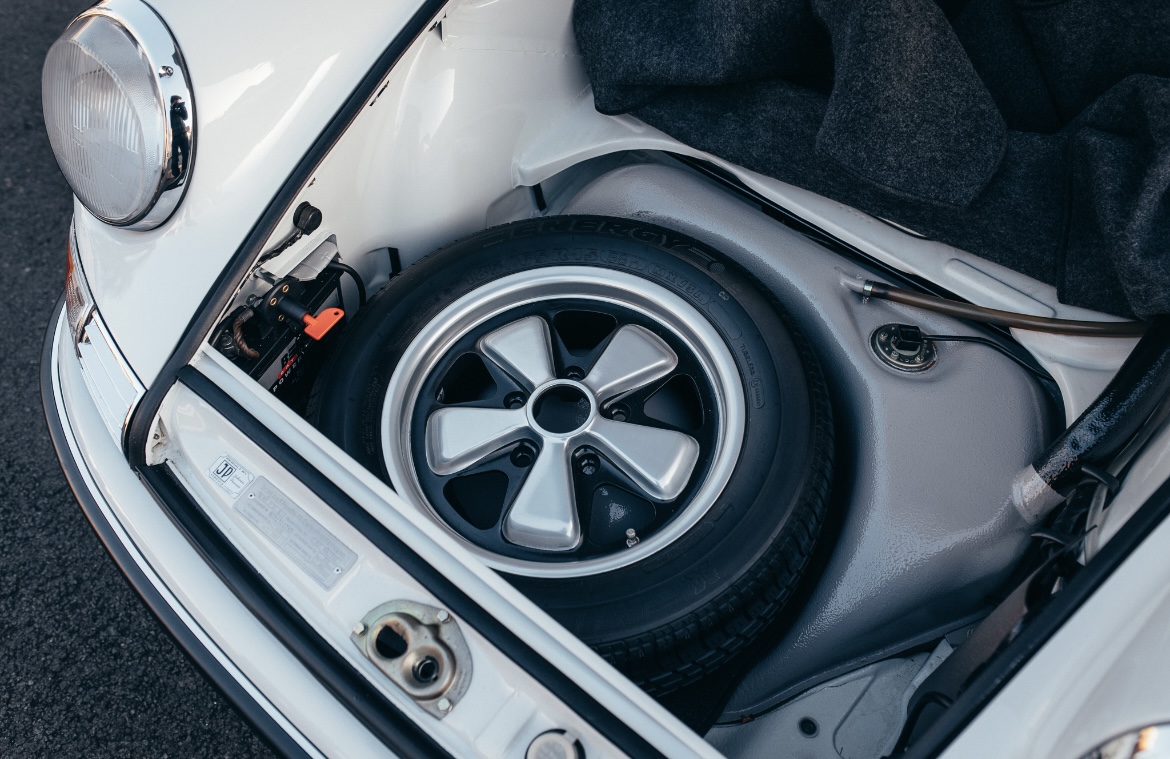
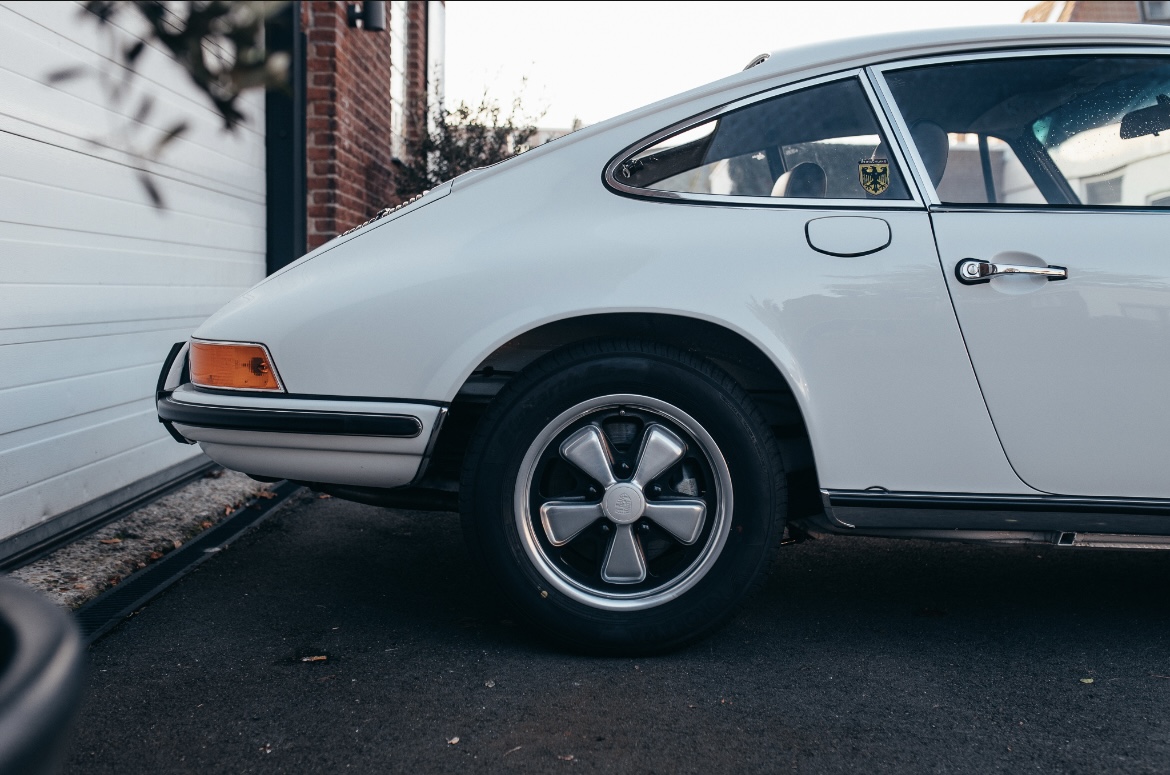
Porsche 911T 1972 RHD “OIL KLAPPER” Coupe 2.4L
“Nut & bolt” restoration, concours winners Porsche certificate of authentication.
Porsche certificate of authentication confirming full matching numbers, chassis, engine and gearbox.
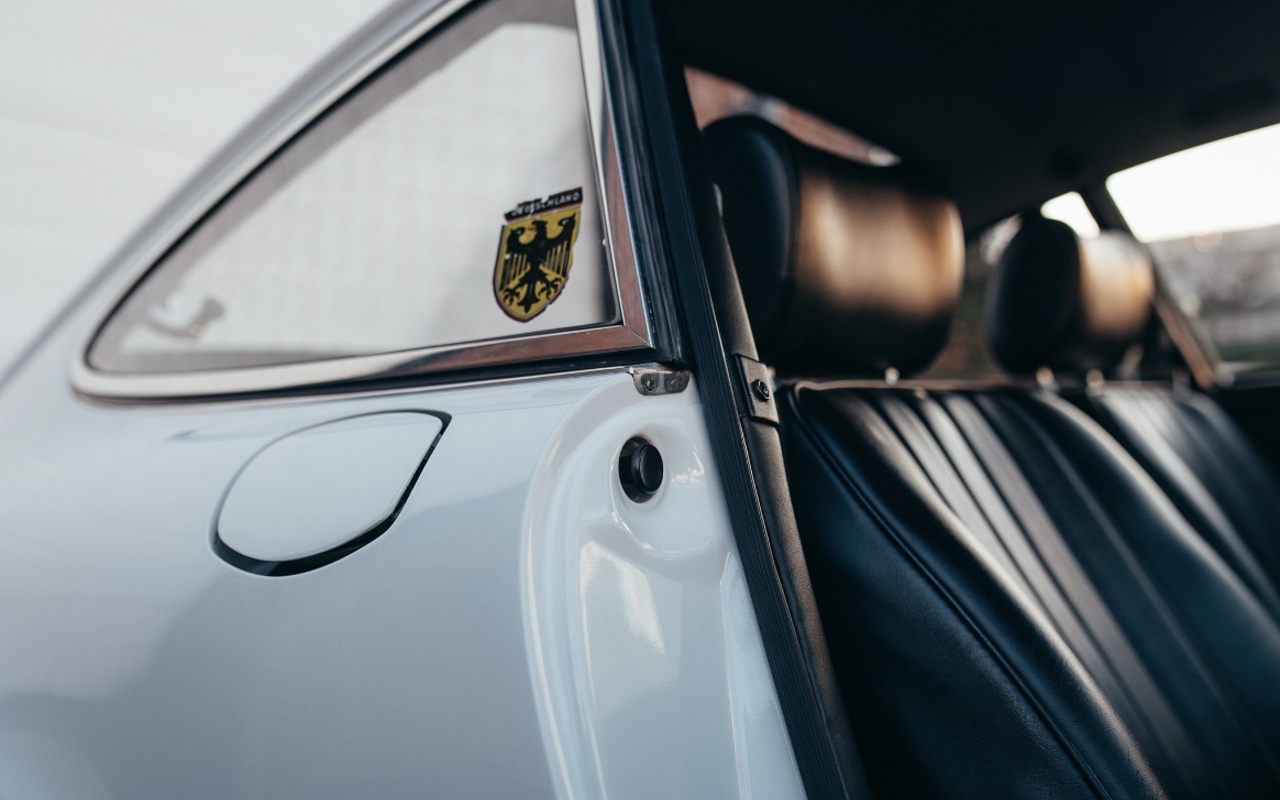
What Does Oil Klapper (or Oel Klappe) Actually Mean?
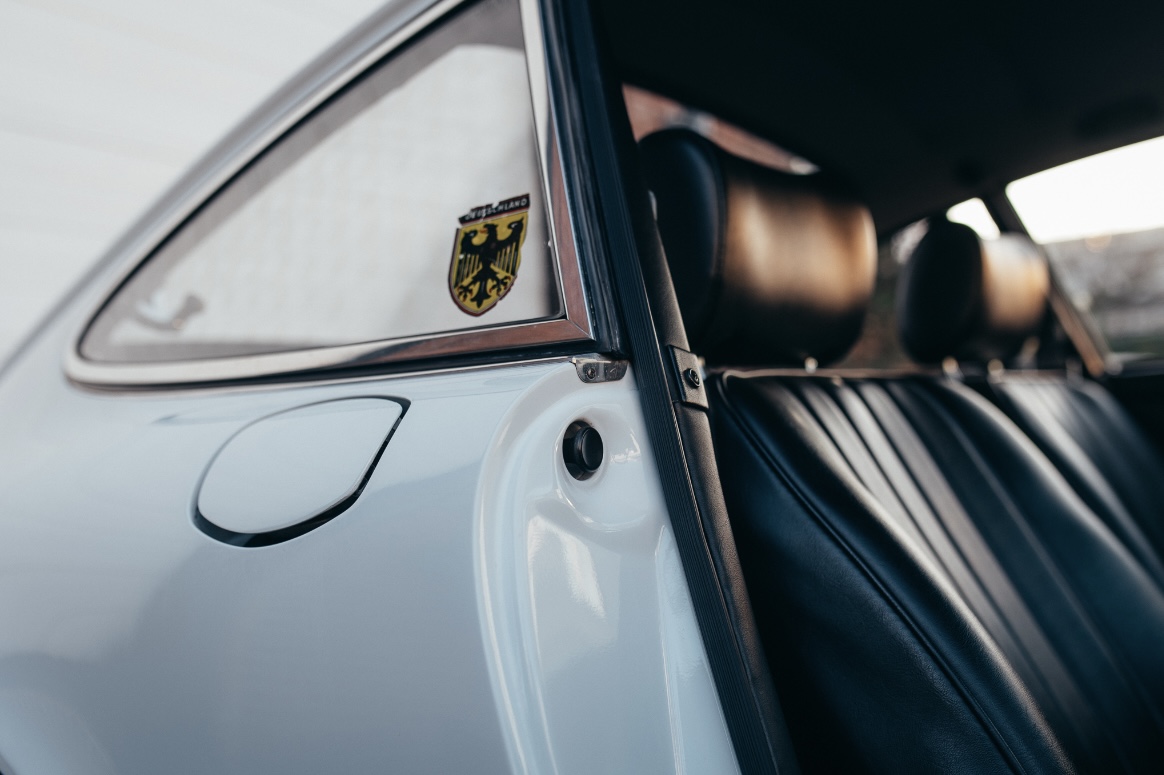
The German phrase ‘Oel Klappe’ means Oil Flap. It has, over the years, become ‘Oilklapper’ or ‘OilFlapper’ to the English-speaking classic Porsche community.
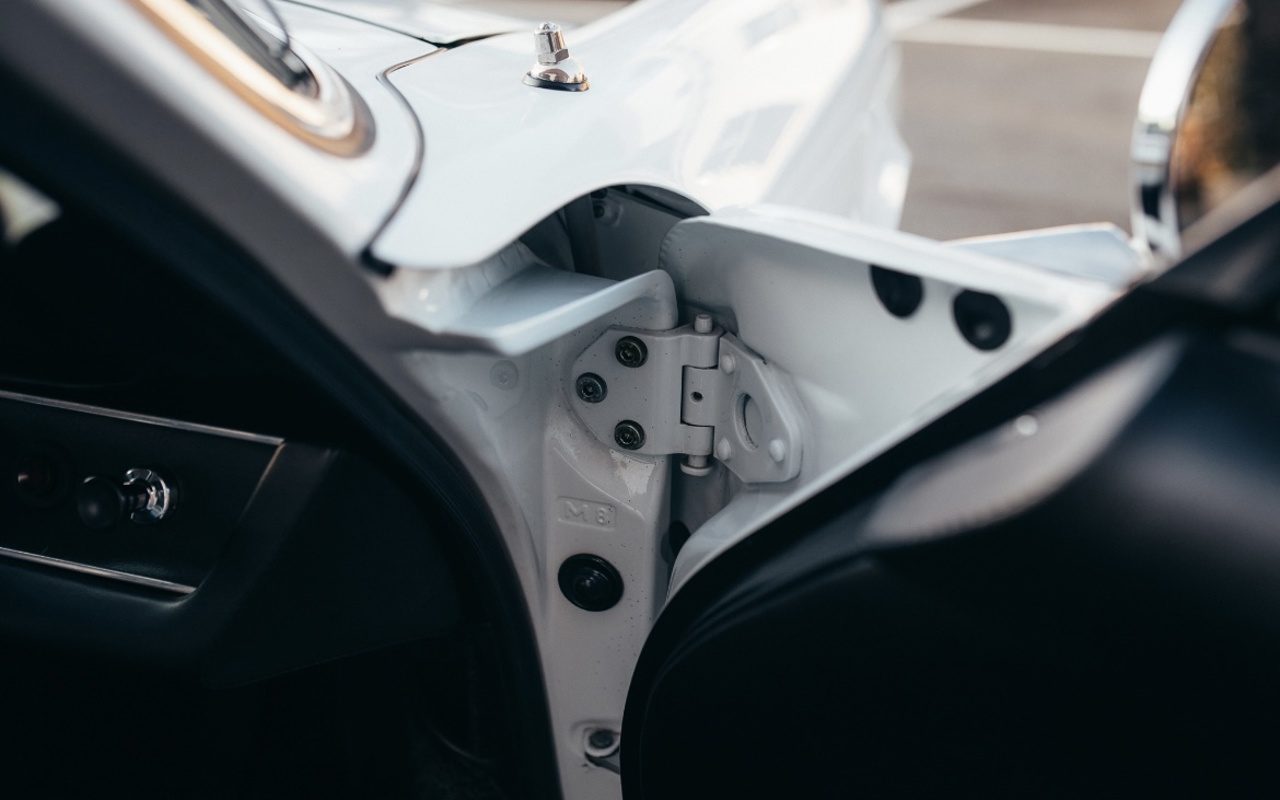
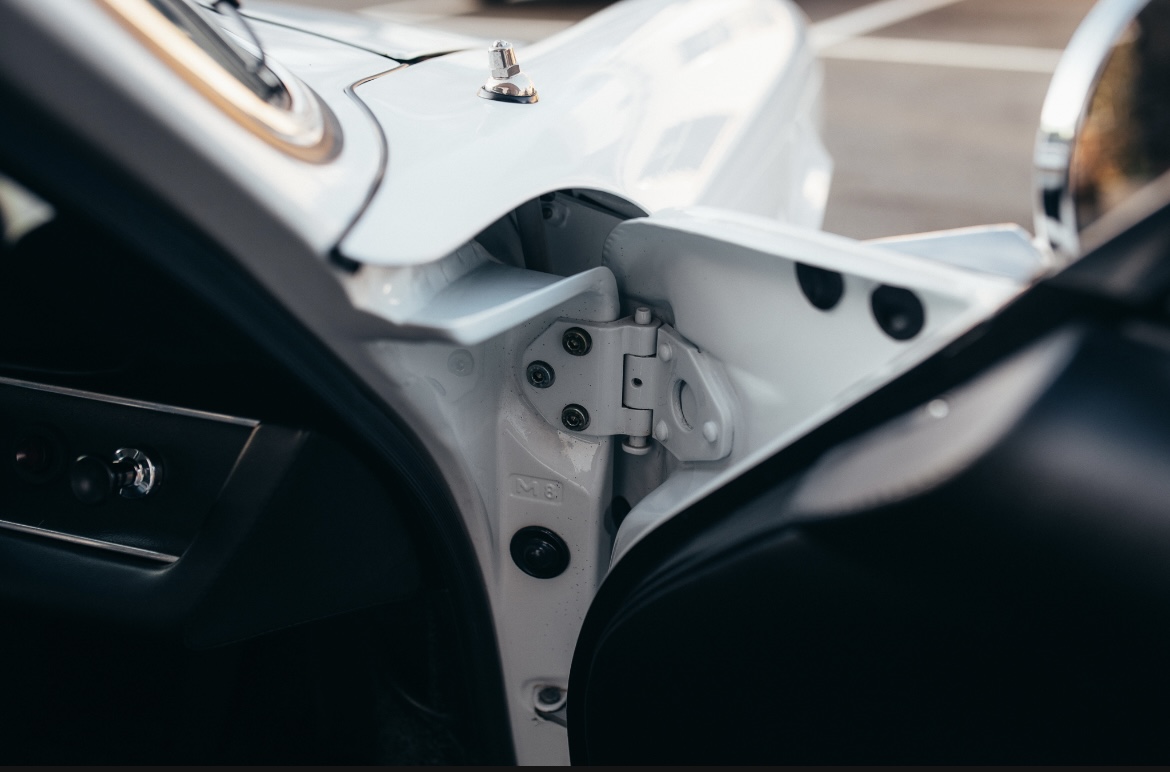
An ‘OilKlapper’ 911 is named with reference to the small number of 911’s that were manufactured in 1972 with an extra flap concealing the oil filler behind the driver’s side door (RHD cars).
History of the 1971/1972 Oel Klappe cars
In 1972, with the E-series cars, Porsche tested a new weight distribution model. As most of the weight of 911’s is notoriously in the engine placement ie. mounted over the rear axle, when driven on the limit and particularly in inexperienced hands, older 911’s was prone to oversteer and spinning out of control.
To try and remedy this handling issue Porsche moved the oil tank, and it’s 8.5 litres of oil, from behind the rear right wheel to in front of it. This changed the weight distribution from outside the wheelbase to inside and therefore improved the handling.
However, moving the oil tank also meant relocating the external oil filler flap to behind the driver’s side door [on RHD models]. This additional external filler fap was often confused with the ‘fuel’ filler flap by certain ill-informed petrol attendants, with disastrous consequences!
Therefore, in 1973 Porsche moved the oil tank back to its original position outside the wheelbase.
These days, E-Series cars built between August 1971 and July 1972 are especially sort after due to this “Oel Klappe” design that improved handling and the repositioning of the oil filler flap and the limited run of one year.

Monday-Friday: 8.30am - 5.30pm (GMT)
Saturday: Closed
Sunday: Closed
Please note:
We’ll be closed from Good Friday
(18 April) to Monday (21 April),
reopening as normal on
Tuesday (22 April).