





Enter your VAT number here and click Verify:
Your details have been verified. VAT number registered to:
,
.
Your order will now be zero rated for VAT purposes. We reserve the right to verify these details after your order request has been made and reinstate VAT if required.
Your VAT details were not recognised or were invalid. Your VAT number must be matched to your Billing Country as specified above. This is currently specified as . You do not need to enter the country code part of your VAT number as this has already been selected in your billing address details above.
The VAT number checking service is currently offline. Please supply your VAT details within the comments or special instructions field below and we will apply a VAT discount after placing your order request.
 OE Match
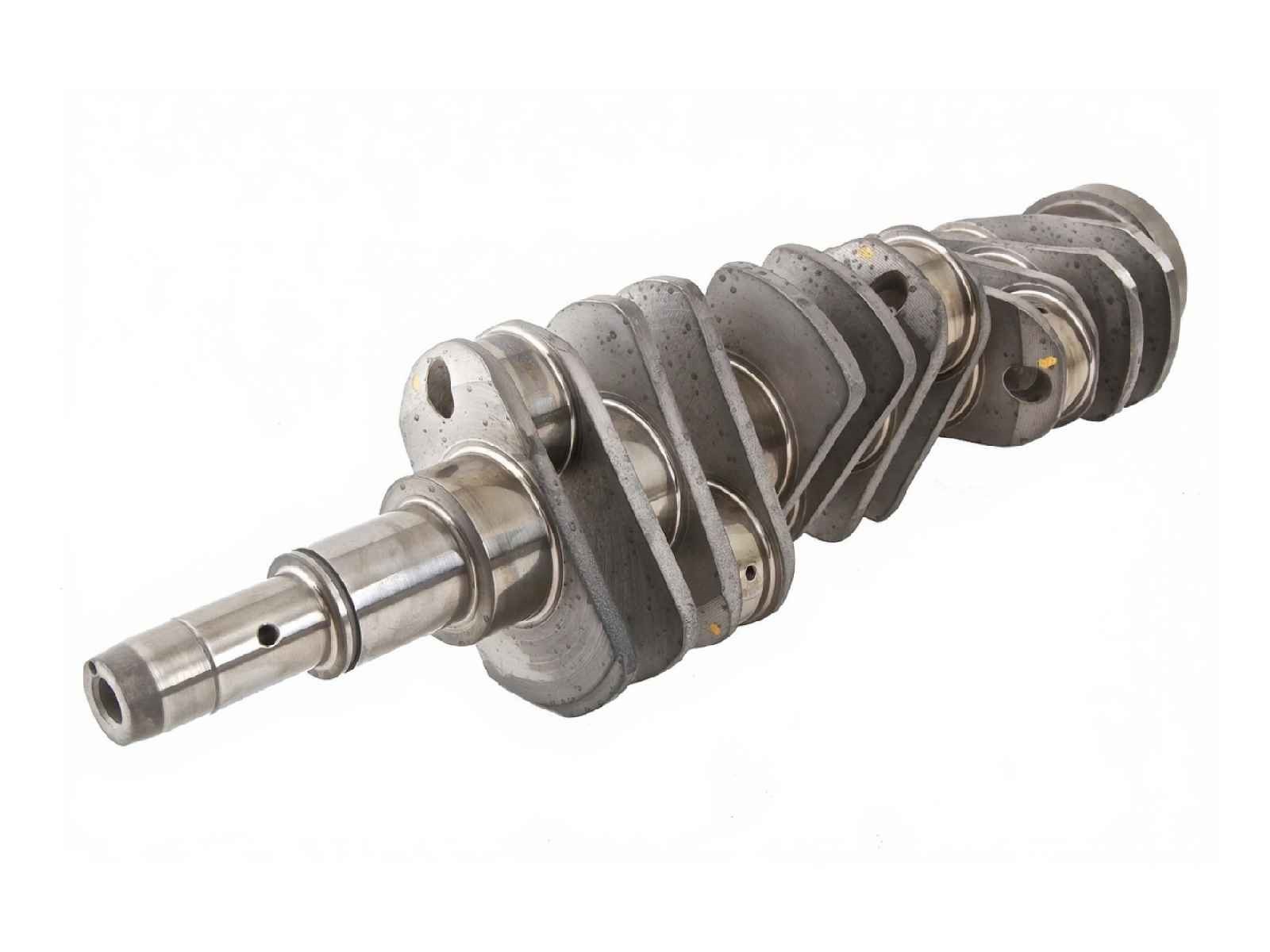
Standard Size Crankshaft (STD)
The standard size crankshaft (STD) is a critical
rotating component used in Porsche 964 engines.
- Porsche 964 (911) C2 1989-93
- Porsche 964 (911) C4 1989-93
- Porsche 964 (911) RS 3.6L 1991-93
- Porsche 964 (911) RS 3.8L 1991-93
- Porsche 964 (911) TURBO S 3.6L 1991-93
Precision machined to maintain original journal dimensions, this crankshaft ensures proper bearing clearance, smooth rotation and reliable power delivery. When rebuilding a high-performance flat-six engine, choosing the correct standard size crankshaft is essential to restoring the engine’s structural integrity and achieving long-term durability.
Engineered to meet the performance characteristics of the original design, this crankshaft is ideal for restorations, performance rebuilds and repairs requiring uncompromising accuracy and balance.
What the Engine Crankshaft Does
This crankshaft delivers several vital engine functions,
including:
- Converting piston motion into smooth rotational force
- Maintaining
precise journal dimensions for correct oil film and bearing clearance
- Balancing
the rotating assembly to minimise vibration and engine stress
- Supporting
consistent oil delivery through internal lubrication channels
- Ensuring smooth power transfer across all RPM ranges
- Forming the structural core of the bottom end assembly
A well-balanced standard-size crankshaft is essential for proper engine behaviour, especially in performance-prone flat-six units.
Why Crankshafts Commonly Fail
Despite being exceptionally robust, crankshafts can fail due
to age, wear or incorrect operating conditions. Common causes include:
- Oil
starvation leading to journal scoring or bearing failure
- Metal
fatigue after years of high-RPM use or detonation events
- Overheating
compromising the metallurgical integrity of the crankshaft
- Contamination
from debris causing gouging or premature wear
- Imbalance
or improper machining from previous engine work
- Severe
knock or misfires bending or twisting the crankshaft
- Prolonged high load driving accelerating fatigue in older engines
Symptoms typically include low oil pressure, knocking noises, excessive vibration, or visible scoring on journals during teardown.
Why You Should Replace a Worn or Damaged Crankshaft
Replacing a compromised crankshaft with a precision-built, standard size alternative engineered to match the original specifications ensures your Porsche 964 rebuild is stable, durable and capable of performing as intended.
Benefits include:
- Restored bearing clearance and oil pressure stability
- Reduced engine vibration and smoother power delivery
- Stronger resistance to high-RPM and high-load conditions
- Improved longevity of other bottom-end components
- Prevention of catastrophic engine damage or seizure
- More accurate balancing for performance and reliability
During an engine rebuild, the crankshaft is one of the most critical components to inspect and replace if any wear is detected.
Related reference numbers
Related, superseded, cross reference or alternative numbers for comparison.
96410202108
The product you are viewing cross references to these numbers
- Porsche 964 (911) C2 1989-93
- Porsche 964 (911) C4 1989-93
- Porsche 964 (911) RS 3.6L 1991-93
- Porsche 964 (911) RS 3.8L 1991-93
- Porsche 964 (911) TURBO 3.6L 1991-93
 Shop Securely
 12 Month Warranty
 Worldwide Delivery


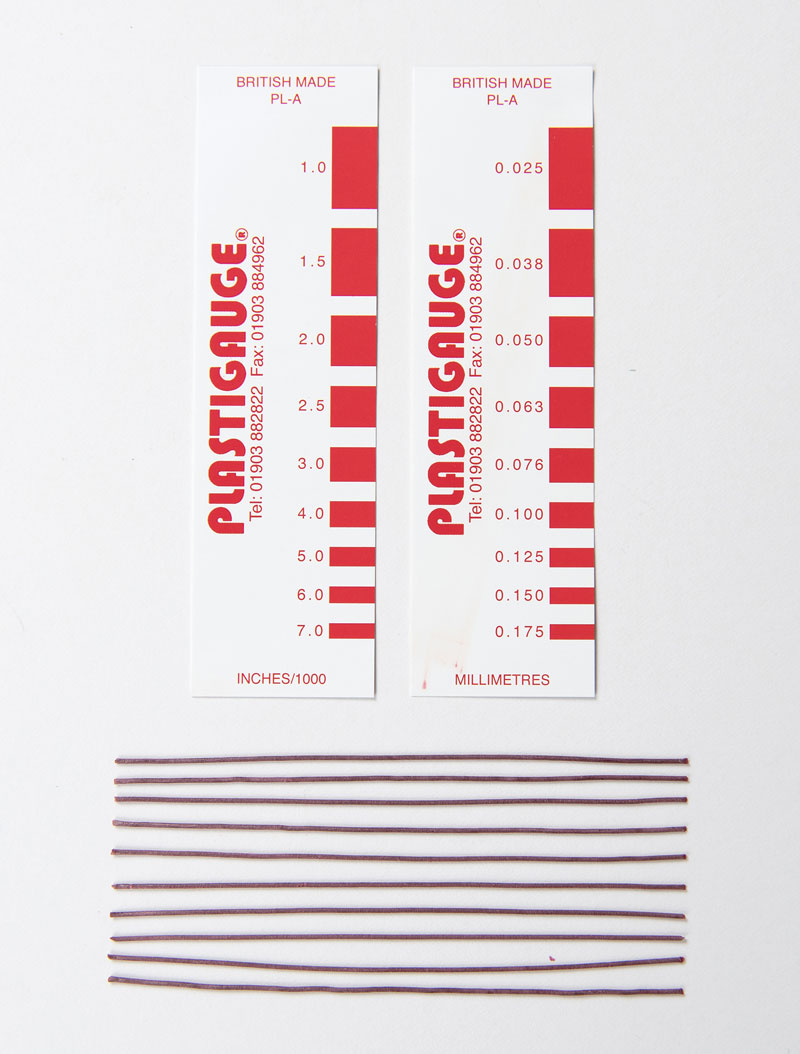
100 Plasigauge strips per box

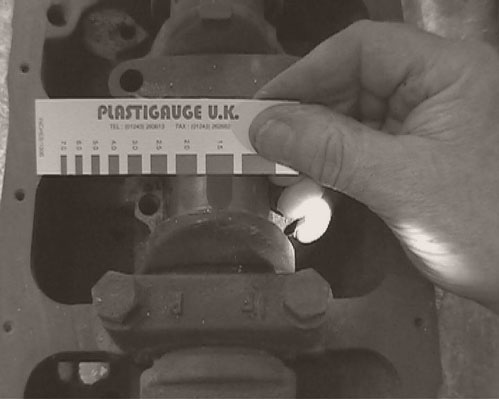
PLASTIGAUGE PL-A is widely used in the measurement of clearance in plain automotive bearings. Measurement of clearance in big-end bearings can be achieved without dismantling the crankshaft.
For measurements of: 0.001″ to 0.007″ (0.025mm – 0.175mm)
Suitable for use at temperatures between 0°C and 35°C
Contents:
Related reference numbers
Related, superseded, cross reference or alternative numbers for comparison.
PLA007
The product you are viewing cross references to these numbers
Shop Securely
12 Month Warranty
Worldwide Delivery

3G Mineral Grease: To coat journal prior to use of Plastigauge
3G Silicone Grease: To apply to surface of shell
Lubricants to assist with the measurement of clearance in automotive bearings.
Plastigauge Precision Clearance Gauges
Shop Securely
12 Month Warranty
Worldwide Delivery





Kit includes:
1 x Plastigauge PL-A box
1 x Plastiguage Mineral grease
1 x Plastiguage Silicone grease
PLASTIGAUGE PL-A is widely used in the measurement of clearance in plain automotive bearings. Measurement of clearance in big-end bearings can be achieved without dismantling the crankshaft.
3G Minerak Grease: To coat journal prior to use of Plastigauge
3G Silicone Grease: To apply to surface of shell
Related reference numbers
Related, superseded, cross reference or alternative numbers for comparison.
PLASKIT
The product you are viewing cross references to these numbers

Monday-Friday: 8.30am - 5.30pm (GMT)
Saturday: Closed
Sunday: Closed